How Do You Know Your Going to Have a Seizure
What is epilepsy?
Epilepsy is a encephalon condition that causes a person to have seizures. It is 1 of the nearly common disorders of the nervous organization. Information technology affects people of all ages, races, and indigenous backgrounds.
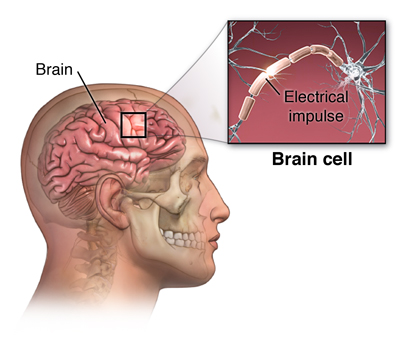
The brain consists of nerve cells that communicate with each other through electrical activity. A seizure occurs when one or more parts of the brain has a burst of abnormal electrical signals that interrupt normal brain signals. Anything that interrupts the normal connections between nerve cells in the encephalon tin can cause a seizure. This includes a loftier fever, high or low blood sugar, alcohol or drug withdrawal, or a brain concussion. Only when a person has 2 or more than seizures with no known crusade, this is diagnosed as epilepsy.
There are different types of seizures. The type of seizure depends on which function and how much of the brain is affected and what happens during the seizure. The 2 principal categories of epileptic seizures are focal (partial) seizure and generalized seizure.
Focal (partial) seizures
Focal seizures take place when abnormal electrical encephalon part occurs in one or more areas of one side of the brain. Before a focal seizure, you may have an aura, or signs that a seizure is virtually to occur. This is more mutual with a complex focal seizure. The most mutual aura involves feelings, such as deja vu, impending doom, fear, or euphoria. Or you may have visual changes, hearing abnormalities, or changes in your sense of olfactory property. The 2 types of focal seizures include:
Elementary focal seizure
The symptoms depend on which area of the brain is affected. If the abnormal electrical encephalon function is in the function of the brain involved with vision (occipital lobe), your sight may exist altered. More often, muscles are affected. The seizure action is express to an isolated muscle group. For instance, it may just include the fingers, or larger muscles in the arms and legs. Y'all may besides have sweating, nausea, or become stake. You don't lose consciousness in this type of seizure.
Circuitous focal seizure
This type of seizure frequently occurs in the area of the brain that controls emotion and memory function (temporal lobe). Y'all will likely lose consciousness. This may not hateful y'all pass out. You may merely cease being enlightened of what's going on around you lot. You may wait awake, but accept a variety of unusual behaviors. These may range from gagging, lip smacking, running, screaming, crying, or laughing. Y'all may be tired or sleepy after the seizure. This is chosen the postictal period.
Generalized seizure
A generalized seizure occurs in both sides of the brain. You will lose consciousness and be tired later on the seizure (postictal state). Types of generalized seizures include:
Absence seizure
This is also called petit mal seizure. This seizure causes a brief inverse state of consciousness and staring. Y'all will likely maintain your posture. Your mouth or face may twitch or your eyes may blink rapidly. The seizure usually lasts no longer than xxx seconds. When the seizure is over, you lot may not recall what only occurred. You lot may go along with your activities equally though cipher happened. These seizures may occur several times a day.
Atonic seizure
This is also called a drop assault. With an atonic seizure, you have a sudden loss of muscle tone and may fall from a standing position or suddenly drop your head. During the seizure, you volition exist limp and unresponsive.
Generalized tonic-clonic seizure (GTC)
This is likewise chosen thousand mal seizure. The classic form of this kind of seizure has v distinct phases. Your body, arms, and legs will flex (contract), extend (straighten out), and tremor (shake). This is followed by wrinkle and relaxation of the muscles (clonic period) and the postictal catamenia. During the postictal period, you may be sleepy. Yous may have bug with vision or oral communication, and may take a bad headache, fatigue, or body aches. Not all of these phases occur in anybody with this type of seizure.
Myoclonic seizure
This type of seizure causes quick movements or sudden jerking of a group of muscles. These seizures tend to occur in clusters. This means that they may occur several times a day, or for several days in a row.
What causes a seizure?
A seizure can exist caused by many things. These tin include:
-
An imbalance of nerve-signaling brain chemicals (neurotransmitters)
-
Brain tumor
-
Stroke
-
Encephalon damage from illness or injury
Epilepsy may exist caused by a combination of these. In almost cases, the cause of epilepsy can't be found.
What are the symptoms of a seizure?
Your symptoms depend on the type of seizure. Full general symptoms or warning signs of a seizure tin include:
-
Staring
-
Jerking movements of the artillery and legs
-
Stiffening of the body
-
Loss of consciousness
-
Breathing bug or stopping breathing
-
Loss of bowel or bladder control
-
Falling suddenly for no apparent reason, especially when associated with loss of consciousness
-
Not responding to noise or words for brief periods
-
Appearing dislocated or in a haze
-
Nodding your caput rhythmically, when associated with loss of awareness or loss of consciousness
-
Periods of rapid heart blinking and staring
During the seizure, your lips may become tinted blue and your animate may non be normal. After the seizure, you may exist sleepy or confused.
The symptoms of a seizure may be similar those of other health conditions. Make sure to talk with your healthcare provider for a diagnosis.
How are seizures diagnosed?
Your healthcare provider will ask about your symptoms and your health history. You'll be asked about other factors that may take acquired your seizure, such equally:
-
Drug or alcohol employ
-
A contempo injury to the head
-
Loftier fever or infection
-
Genetic abnormality
Yous may also have:
-
A neurological exam
-
Blood tests to check for problems in blood sugar and other factors
-
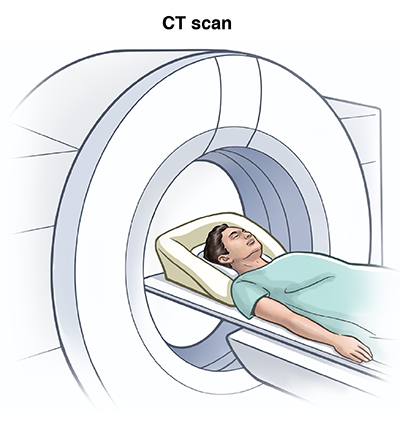
Imaging tests of the encephalon, such as an MRI or CT scan
-
Electroencephalogram, to exam your brain's electric activity
-
Lumbar puncture (spinal tap), to measure the pressure level in the brain and spinal canal and exam the cognitive spinal fluid for infection or other issues
How are seizures treated?
The goal of treatment is to command, cease, or reduce how often seizures occur. Treatment is most often washed with medicine. There are many types of medicines used to care for epilepsy. Your healthcare provider will need to place the type of seizure y'all are having. Medicines are selected based on the type of seizure, age of the person, side furnishings, price, and ease of use. Medicines used at home are usually taken past oral cavity as capsules, tablets, sprinkles, or syrup. Some medicines can be given into the rectum. If you are in the hospital with seizures, medicine may be given by injection or intravenously past vein (IV).
Information technology is important to accept your medicine on time and as prescribed past your medico. People's bodies react to medicine differently and so your schedule and dosage may need to be adjusted for the best seizure control. All medicines can take side effects. Talk with your healthcare provider about possible side effects. While you are taking medicine, y'all may need tests to see how well the medicine is working. You may have:
-
Blood tests. Y'all may need blood tests oftentimes to cheque the level of medicine in your body. Based on this level, your healthcare provider may change the dose of your medicine. You may also have blood tests to cheque the effects of the medicine on your other organs.
-
Urine tests. Your urine may be tested to see how your body is reacting to the medicine.
-
Electroencephalogram (EEG). An EEG is a procedure that records the encephalon's electrical activity. This is done by attaching electrodes to your scalp. This test is done to see how medicine is helping the electrical problems in your encephalon.
Other treatments
If medicine doesn't work well enough for you, your healthcare provider may suggest other types of treatment. You may have:
Vagus nerve stimulation (VNS)
This handling sends minor pulses of energy to the brain from one of the vagus nerves. This is a pair of large nerves in the neck. If you lot take partial seizures that are not controlled well with medicine, VNS may be an option. VNS is washed by surgically placing a pocket-size battery into the breast wall. Pocket-sized wires are then attached to the battery and placed under the pare and around i of the vagus fretfulness. The bombardment is then programmed to send free energy impulses every few minutes to the brain. When y'all experience a seizure coming on, you may activate the impulses by property a pocket-sized magnet over the bombardment. In many cases, this will help to stop the seizure. VNS tin accept side effects such as hoarse voice, pain in the pharynx, or alter in vocalization.
Surgery
Surgery may be done to remove the part of the brain where the seizures are occurring. Or the surgery helps to finish the spread of the bad electrical currents through the brain. Surgery may exist an choice if your seizures are hard to command and always start in one part of the brain that doesn't impact speech, memory, or vision. Surgery for epilepsy seizures is very circuitous. Information technology is done by a specialized surgical team. You may be awake during the surgery. The brain itself does not experience pain. If you are awake and able to follow commands, the surgeons are better able to check areas of your brain during the process. Surgery is not an pick for everyone with seizures.
Living with epilepsy
If you take epilepsy, you can manage your health. Make certain to:
-
Take your medicine exactly every bit directed
-
Get plenty sleep, as lack of sleep can trigger a seizure
-
Avoid anything that may trigger a seizure
-
Accept tests as often as needed
-
Come across your healthcare provider regularly
When should I telephone call my healthcare provider?
Phone call your healthcare provider if:
-
Your symptoms get worse or do non go improve
-
You have side furnishings from medicine
Key points virtually epilepsy and seizures
-
A seizure occurs when 1 or more parts of the brain has a outburst of abnormal electrical signals that interrupt normal signals
-
There are many types of seizures. Each tin can cause different kinds of symptoms. These range from slight body movements to loss of consciousness and convulsions.
-
Epilepsy is when you have two or more seizures with no known cause.
-
Epilepsy is treated with medicine. In some cases, it may be treated with VNS or surgery.
-
It's important to avert annihilation that triggers seizures. This includes lack of sleep.
Source: https://www.hopkinsmedicine.org/health/conditions-and-diseases/epilepsy/evaluation-of-a-firsttime-seizure
0 Response to "How Do You Know Your Going to Have a Seizure"
Postar um comentário